Healthcare has always been an industry defined by information, mountains of it, scattered across lab results, imaging scans, patient histories, and clinical notes. For decades, the challenge wasn’t collecting that information but making sense of it quickly enough to act on. Artificial intelligence is now being woven into hospitals and clinics specifically to close that gap, and while the technology is still far from perfect, its impact on patient care is already measurable in ways that go beyond hype.
Faster, More Consistent Diagnostics
One of the clearest successes of AI in healthcare so far has been in medical imaging. Radiologists review enormous volumes of scans every day, looking for signs of tumors, fractures, or abnormalities that can be easy to miss, especially during a long shift. AI models trained on millions of images can now flag suspicious areas on X-rays, MRIs, and CT scans in seconds, giving doctors a second set of eyes that doesn’t get tired or distracted.
This doesn’t mean radiologists are being replaced. In practice, the technology works best as a support tool, catching things a human might overlook and helping prioritize which scans need urgent attention. Studies on breast cancer screening, for instance, have shown that combining radiologists with AI assistance can catch more early-stage cancers than either working alone. The technology is a second opinion available instantly, not a replacement for clinical judgment.
Predicting Problems Before They Happen
Hospitals generate a constant stream of data on every patient, from vital signs to lab values, and AI systems are increasingly being used to spot patterns in that data that predict complications before they become emergencies. Algorithms can flag early warning signs of sepsis, a life-threatening condition where every hour of delayed treatment increases the risk of death, often before symptoms would be obvious to a nurse checking in periodically.
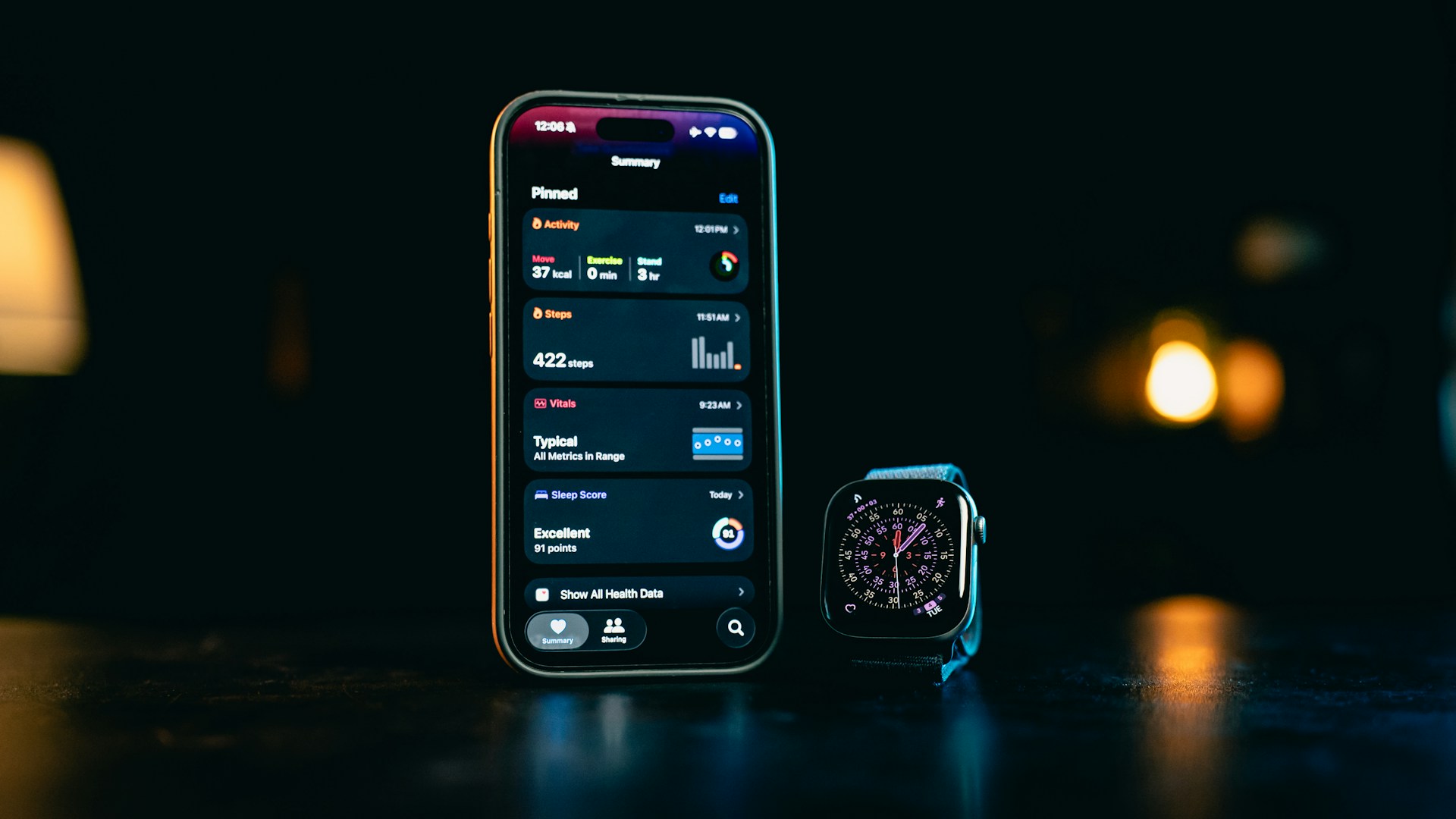
This kind of predictive monitoring extends beyond hospital walls too. Wearable devices and remote monitoring tools can track patients with chronic conditions like heart disease or diabetes, alerting care teams to concerning trends and allowing intervention before a routine issue turns into a hospital admission. For patients managing long-term conditions, this shift toward continuous rather than periodic monitoring represents a genuine change in how care gets delivered.
Easing the Administrative Burden
A less visible but equally significant use of AI in healthcare involves administrative work rather than direct diagnosis. Physicians routinely spend hours each day on documentation, and studies have repeatedly pointed to this burden as a major driver of burnout across the profession. AI-powered tools that transcribe patient conversations and draft clinical notes automatically are starting to give some of that time back, letting doctors spend more of their day actually looking at patients rather than typing notes on a computer screen.
Scheduling, insurance claim processing, and billing are also being reshaped by AI systems that can handle routine tasks with far less friction than traditional methods. None of this is particularly dramatic compared to AI catching a tumor on a scan, but the cumulative effect on how smoothly a hospital or clinic runs is substantial.
Personalizing Treatment
Beyond diagnostics and administration, AI is starting to play a role in shaping treatment plans themselves. In oncology, for example, algorithms can analyze a tumor’s genetic profile alongside data from thousands of similar past cases to help identify which treatments are statistically most likely to succeed for a specific patient. This kind of personalized approach represents a shift away from one-size-fits-all treatment protocols toward something more tailored, though it still requires oncologists to weigh the recommendations against their own clinical expertise and the patient’s individual circumstances.
Drug development is seeing similar effects, with AI models helping researchers narrow down promising compounds far faster than traditional trial-and-error methods, potentially shortening the years-long process of bringing new treatments to patients who need them.
The Limits and Risks Worth Remembering
None of this progress comes without real concerns. AI models are only as good as the data they’re trained on, and healthcare data has historically underrepresented certain populations, which can lead to tools that perform less accurately for some patients than others. There have already been documented cases of diagnostic algorithms showing reduced accuracy for specific racial groups simply because the training data didn’t reflect them adequately.
Patient privacy is another ongoing concern, since these systems require access to deeply sensitive personal information, and questions about who owns that data and how securely it’s stored remain unresolved in many healthcare systems. There’s also the simple matter of trust. Patients and doctors alike need to understand how an AI reached a particular recommendation, and tools that operate as an unexplainable black box tend to face resistance in a field where accountability matters enormously.
What seems clear is that AI in healthcare works best as a collaborator rather than a decision-maker on its own. The technology is genuinely changing how quickly problems get caught and how efficiently care gets delivered, but the human judgment behind a diagnosis or treatment plan remains the part that patients are, understandably, not ready to hand over entirely, and probably shouldn’t have to for a long while yet.