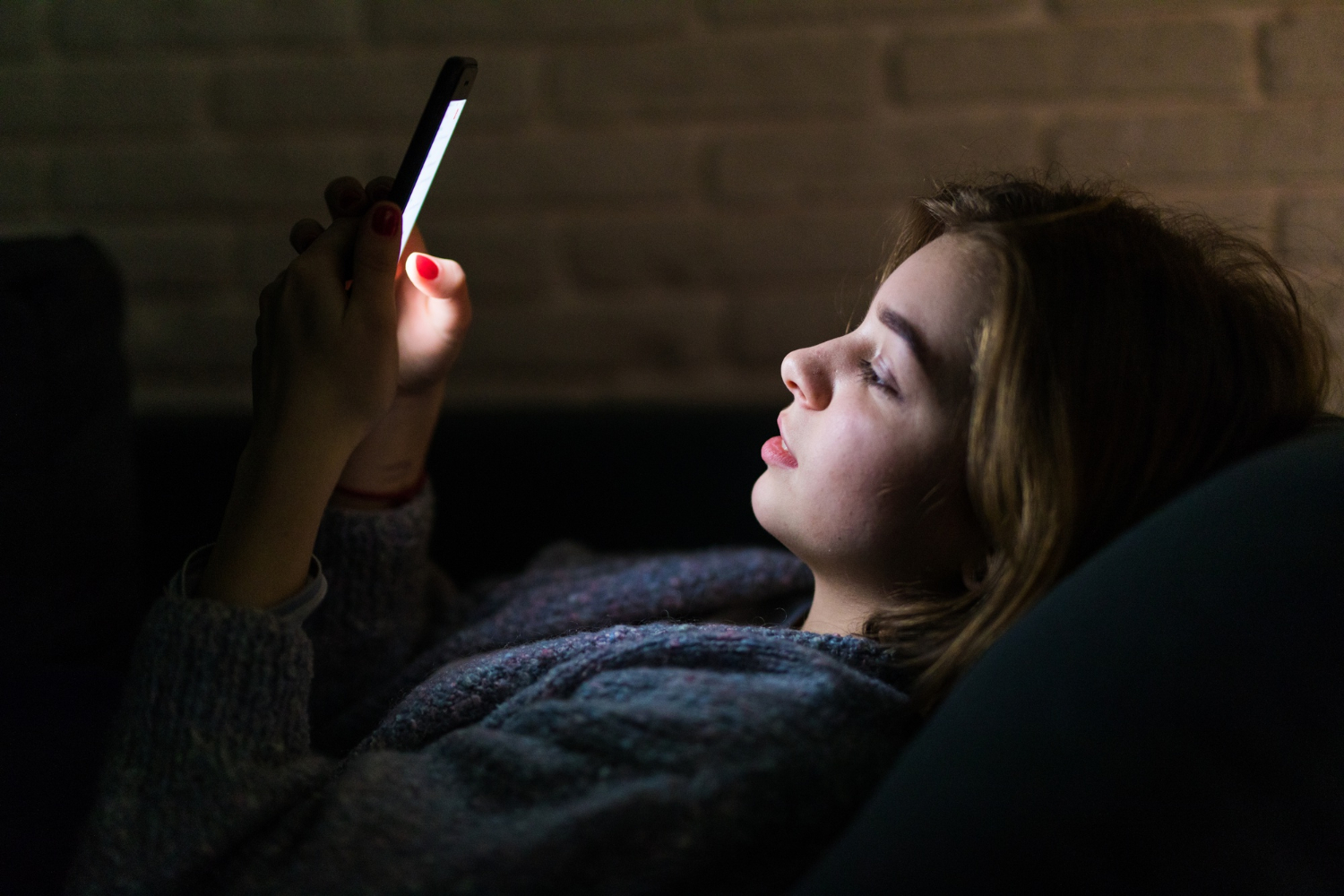
The way people use technology has changed more in the past decade than in the previous several combined, and not always in the direction anyone expected. A decade ago, the dominant conversation was about getting online more, faster wifi, more apps, more connectivity. Today, a growing share of that same conversation is about pulling back. Screen time trackers, app limits, and grayscale display modes have gone from niche settings to features every major phone maker now builds in and promotes.
From Adoption to Saturation
Smartphone adoption in most developed countries reached near-total saturation years ago, which changed the nature of the problem. When everyone already has a phone and is already online most of the day, the question stops being about access and becomes about moderation. This is a relatively new kind of challenge for a society to face. Previous technologies, television for instance, took decades to prompt the same level of public concern and behavioral pushback that smartphones triggered within a much shorter window.
Part of the reason is the design of the devices themselves. Notifications, infinite scroll, and algorithmic feeds are built specifically to hold attention, and there’s a reasonable body of evidence showing this design works as intended. People check their phones dozens of times a day, often without consciously deciding to, and many report feeling that their usage exceeds what they’d choose if they were being deliberate about it.
What’s Actually Changing in Daily Behavior
Survey data on phone habits shows some genuine movement, though it’s uneven. Younger users report high awareness of screen time as an issue even as their actual usage often remains high, suggesting a gap between attitude and behavior. Meanwhile, some older users have quietly become heavier phone users than expected, partly because retirement and remote family connection have pushed them onto apps they’d avoided before.
A few specific behavior shifts stand out:
- More people are using built-in screen time and app limit tools, even if compliance with self-imposed limits is inconsistent
- Notification fatigue has led many users to mute or disable alerts they once left on by default
- Bedtime phone use remains stubbornly high despite widespread awareness that it disrupts sleep
The Role of Social Pressure and Culture
Some of the shift isn’t about technology at all but about changing social norms. Phone-free dinners, no-phone policies at some schools and workplaces, and a general cultural narrative around burnout have made restraint more socially acceptable, even fashionable in some circles. This matters because individual willpower has proven to be a weak match for products engineered by well-resourced teams to maximize engagement. Social and structural changes, such as a workplace that doesn’t expect after-hours responses, tend to be more durable than personal resolutions alone.
Where This Leaves Things
There’s no clear sign that digital habits are dramatically improving on a population level, but there is a clear sign that people are more conscious of the problem than they were a few years ago. Awareness has outpaced behavior change, which is a familiar pattern with most health-related habits, from diet to exercise. The tools now exist for people who want to change their usage, built into the devices themselves, but tools alone rarely change behavior without some accompanying shift in routine or environment.
What seems most likely going forward is a kind of uneven equilibrium: most people will keep using their phones heavily, some will make real adjustments, and the broader cultural conversation about digital wellness will keep growing louder without necessarily translating into a major measurable drop in average screen time. That’s not a failure of the idea so much as a reflection of how hard it is to change habits built around genuinely useful, and genuinely engineered, technology.