For years, the environmental conversation around technology centered mostly on manufacturing and e-waste. Data centers existed in the background, quietly consuming electricity but rarely making headlines on their own. That’s changed considerably with the rise of large-scale AI, which has turned data center energy consumption into one of the more pressing infrastructure conversations in the tech industry, one that’s now spilling directly into how power grids themselves are planned and managed.
Why AI Uses So Much More Power
Training and running large AI models is fundamentally different from most computing tasks in terms of energy demand. Training a large language model involves processing enormous datasets across thousands of specialized chips running continuously for weeks or months, and that process alone can consume as much electricity as thousands of homes use in a year. Once a model is trained, running it, known as inference, adds its own ongoing energy cost, since every query or generated response requires computation happening somewhere on physical hardware, multiplied across millions of users making requests simultaneously.
This is a meaningfully different scale of consumption compared to traditional cloud computing tasks like hosting websites or storing files. The specialized chips used for AI workloads, particularly GPUs, draw significantly more power than standard processors, and data centers built to house them require cooling systems substantial enough to manage that heat, which adds its own separate layer of energy demand on top of the computing itself.
The Strain Showing Up on Power Grids
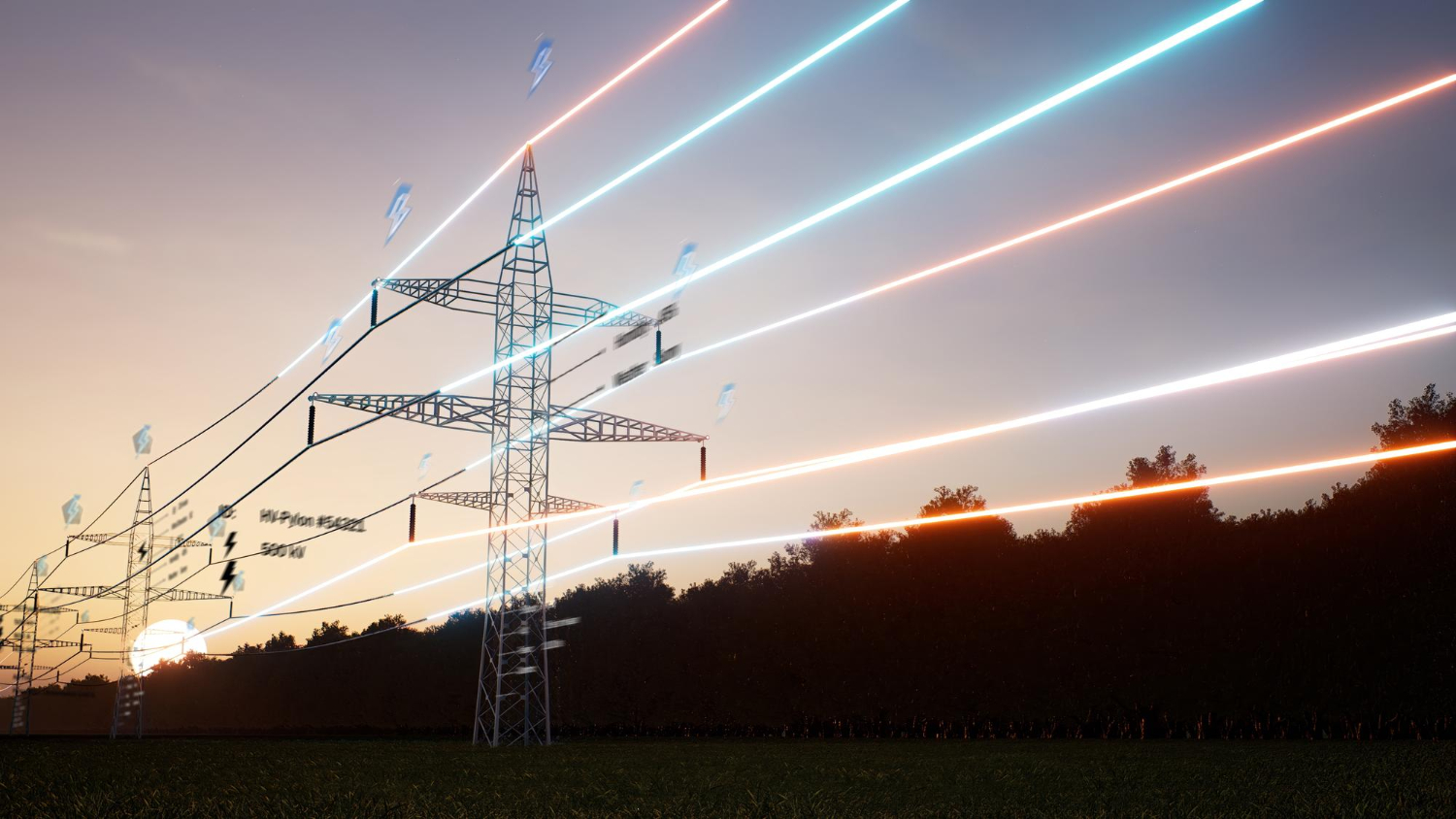
Utility companies in regions with heavy data center concentration have started reporting demand increases that are difficult to plan for using historical patterns, since AI-driven data center growth doesn’t follow the same predictable curves that residential or general commercial electricity demand has followed for decades. In parts of the United States, particularly in states like Virginia, which hosts one of the largest concentrations of data centers in the world, utilities have had to reconsider long-term infrastructure plans specifically to accommodate the scale of new data center projects being proposed.
This has created real tension in some areas between tech companies seeking to build new facilities and local communities concerned about rising electricity costs or strain on the existing grid. Some utilities have proposed new pricing structures specifically for large data center customers, aiming to ensure the cost of grid upgrades needed to support them doesn’t get passed on to everyday residential customers who aren’t the ones driving the increased demand.
How the Tech Industry Is Responding
Major tech companies building AI infrastructure are aware that energy availability, not just chip supply, has become a genuine bottleneck for growth, and several have started responding directly by investing in their own power generation rather than relying entirely on existing grid capacity. Some companies have signed agreements to fund nuclear power projects, including smaller modular reactors still in earlier stages of development, specifically to secure a dedicated, reliable power source for future data centers. Others have expanded renewable energy purchasing agreements considerably, aiming to offset the added consumption with new solar or wind capacity added specifically to match their growing needs.
Efficiency improvements are also part of the response, though they haven’t been enough on their own to offset overall growth in demand. Newer AI chips are generally more energy-efficient per unit of computation than earlier generations, and data center design has continued to improve in areas like cooling efficiency. But these gains have consistently been outpaced by how quickly the overall scale of AI workloads has grown, meaning total energy consumption keeps rising even as efficiency per task improves.
What This Means Going Forward
The scale of this issue has pushed AI energy consumption into conversations that used to be reserved for heavy industry or major infrastructure planning, and it’s likely to stay there as AI adoption continues expanding across more industries and use cases. Grid operators, utility regulators, and tech companies are all having to coordinate more closely than they’ve historically needed to, since the pace of data center growth has outstripped the traditional timelines involved in expanding power generation and transmission capacity.
Whether this settles into a manageable balance or continues creating friction largely depends on how quickly new power generation, including the nuclear and renewable projects currently being negotiated, can actually come online relative to how fast AI infrastructure keeps expanding. For now, the tech industry finds itself in an unusual position: needing significantly more electricity than existing systems were built to provide, and having to get directly involved in solving an energy problem that used to be someone else’s responsibility entirely.