Most people have grown used to getting a text message every time they make a card purchase over a certain amount. Banks send these confirmations as a security measure, a quick way to flag suspicious activity before real damage is done. Scammers have noticed this too, and they’ve built an entire fraud strategy around mimicking those exact messages. The result is a scam that looks almost identical to a legitimate bank alert, which is exactly what makes it so effective.
How the Scam Works
The fraud typically starts with a text message claiming that a purchase was just made on your credit card, often for a specific and moderately large amount, like a new phone or a piece of electronics. The message usually includes a line saying something like „if this wasn’t you, click here to dispute the charge” or „reply STOP to cancel this transaction.” The urgency is the whole point. Nobody wants a stranger charging hundreds of dollars to their card, so the instinct is to act immediately rather than pause and think it through.
Clicking the link in these messages usually leads to a fake website designed to look exactly like a bank’s login page or fraud dispute portal. Once there, victims are asked to enter their card number, expiration date, security code, and sometimes their online banking username and password. Some versions of the scam skip the fake website entirely and instead prompt victims to call a phone number, where a scammer posing as a bank representative walks them through „verifying their identity,” which really just means handing over the same sensitive information over the phone.
Why These Messages Are So Convincing
Part of what makes this particular scam successful is how closely it mirrors real bank communication. Fraud alerts from actual banks tend to follow a predictable format, and scammers have simply copied that format, sometimes down to the exact wording banks use. Caller ID spoofing and sender ID spoofing also play a role, allowing scam texts to appear as though they’re coming from a legitimate bank number or short code, sometimes even showing up in the same message thread as real past texts from that bank.
There’s also a psychological trick at play. A message about an unauthorized charge triggers a mix of anxiety and urgency, and that combination tends to override the usual caution people apply when clicking links or sharing personal information. Scammers rely heavily on this reaction, since a calm, unhurried reader is far more likely to notice something is off.
Warning Signs Worth Knowing
A few details tend to separate these fake messages from real bank alerts, even though the scam has gotten more sophisticated over time.
- Legitimate banks almost never ask you to confirm sensitive details like a full card number or PIN through a text link.
- Links in fake messages often use slightly altered domain names, such as a bank’s name with an extra letter or a different ending than the real website.
- Real fraud alerts usually include the last four digits of your card, while scam texts often reference the full purchase without any specific account detail, or reference a vague „your card” without identifying which one.
What to Do If You Get One of These Texts
The safest response to any unexpected purchase confirmation is to avoid clicking any link or calling any number included in the message itself. Instead, open your banking app directly or call the number printed on the back of your physical card. If there really was a fraudulent charge, it will show up in your account activity, and your bank’s official channels can walk you through disputing it safely. If the message was fake, doing this sidesteps the scam entirely without giving away any information.
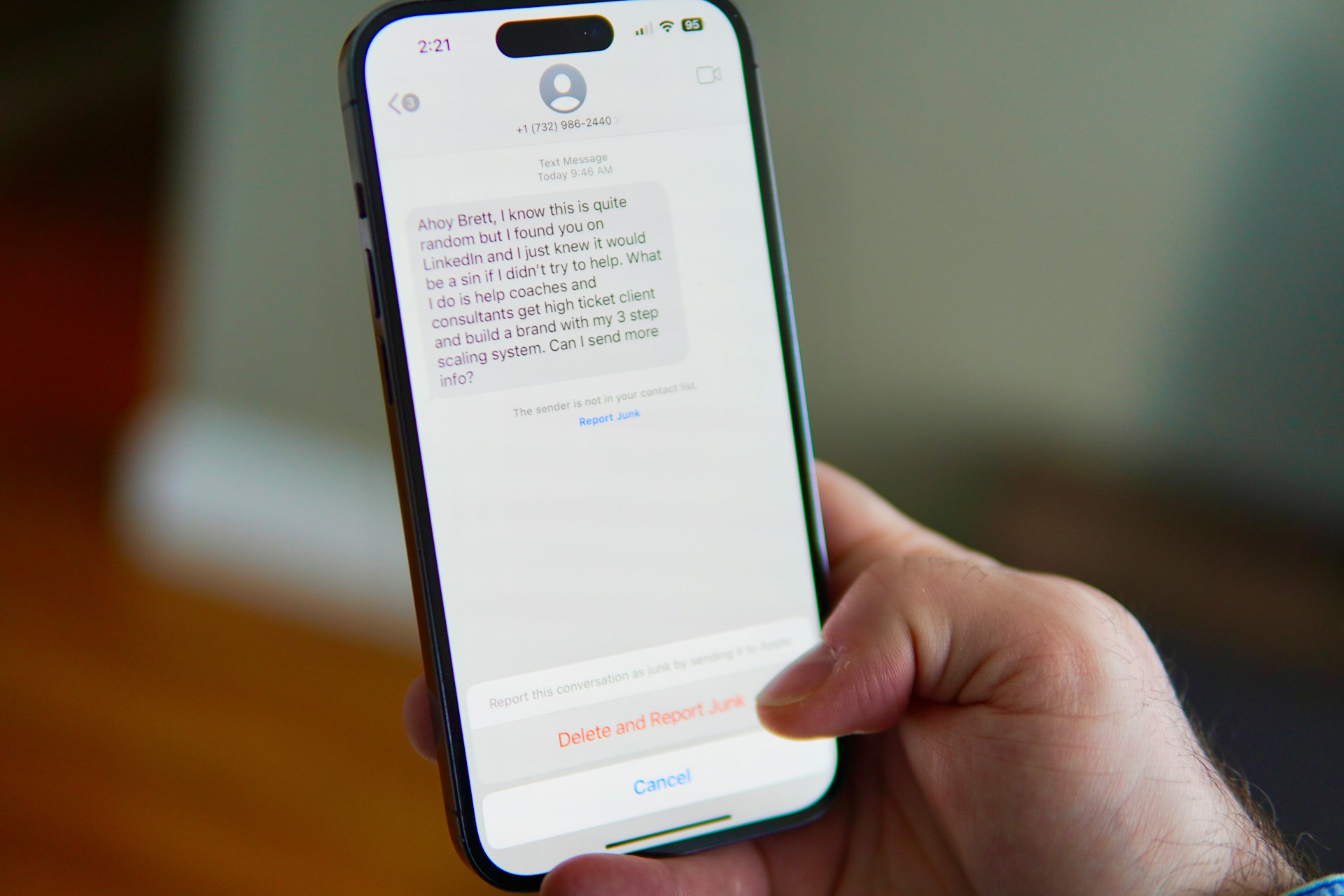
It’s also worth reporting these messages when possible, either by forwarding them to your carrier’s spam reporting number or flagging them within your messaging app, since this helps identify and block the numbers being used before they reach more people. Credit card companies also tend to have dedicated phone lines specifically for reporting phishing attempts, and letting them know can help them warn other customers or track patterns tied to a specific scam campaign.
As banks continue relying on text alerts for legitimate fraud prevention, scammers are likely to keep refining these fake messages to match. Staying cautious about links in unexpected texts, and getting into the habit of verifying anything urgent through official channels rather than the message itself, remains the most reliable way to avoid falling for it.