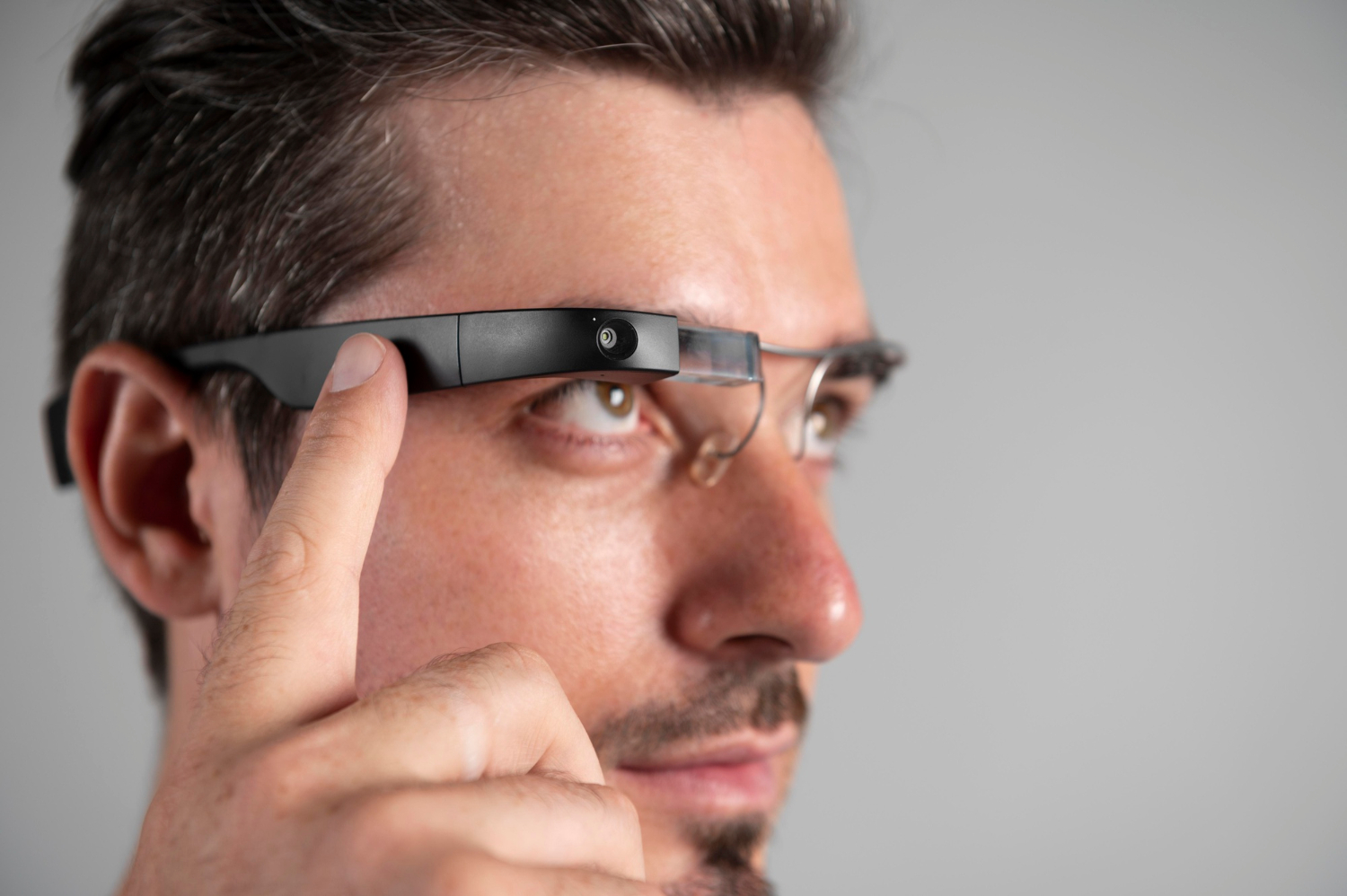
Smart glasses with built-in cameras and microphones have gone from a niche gadget to a genuine consumer category, driven largely by lighter designs, better battery life, and partnerships between eyewear brands and major tech companies. As more people wear devices capable of recording photos, video, and audio without an obvious camera in hand, a practical question keeps coming up: how is anyone nearby supposed to know if they’re being recorded, and what happens to that footage once it’s captured.
The Indicator Light Problem
Most smart glasses on the market include some kind of visual signal when recording is active, typically a small LED built into the frame near the camera lens. In principle, this is meant to serve the same function as the red light on a webcam or the shutter sound on a phone camera, a signal to the people around the wearer that something is being captured. In practice, the effectiveness of these indicators is inconsistent. The lights are often small, positioned at an angle that’s hard to see from a typical conversational distance, and easily missed in bright outdoor light or from certain angles.
There’s also the matter of trust in the hardware itself. A recording light is a software and hardware feature that can, in theory, be disabled through modification or a firmware exploit, and privacy researchers have raised concerns about relying on an indicator that the device manufacturer controls and that isn’t independently verifiable by an outside observer. For a bystander, there’s currently no reliable way to confirm that an indicator light is functioning as intended rather than simply being trusted to.
What Happens to the Footage
Beyond the moment of recording, the bigger unresolved question is what happens to the data afterward. Depending on the device and manufacturer, footage may be processed locally, uploaded to the cloud for storage, or in some cases used to train image recognition or AI features embedded in the product. Privacy policies for these devices vary significantly, and most consumers are unlikely to read through them in detail before wearing the device in public spaces where other people, who never agreed to any policy at all, are being recorded incidentally.
- Recording indicator lights are often small and easy to miss in typical settings
- There is no independent way for bystanders to verify an indicator is functioning correctly
- Data handling policies differ by manufacturer and are rarely reviewed by the people being recorded
The Legal Gray Area
Laws governing recording in public spaces vary widely by country and even by region within countries, and most of them were written before wearable cameras were common. In many places, recording in public is broadly legal, while recording audio specifically can fall under stricter consent laws depending on jurisdiction. Smart glasses complicate enforcement simply because they’re harder to notice than someone holding up a phone, which means violations, where they occur, are less likely to be caught or reported in the moment.
Where This Leaves Wearers and Bystanders
For now, the honest answer is that indicator lights offer a partial, imperfect signal rather than a reliable guarantee. Manufacturers have some incentive to make these signals more visible and trustworthy as the category grows and public awareness increases, particularly if backlash over privacy incidents affects sales, but there’s no current technical or regulatory standard that fully solves the problem. Anyone concerned about being recorded in public has limited practical recourse beyond asking directly or avoiding situations where recording is more likely. As smart glasses become more common, the pressure for clearer standards, both from regulators and from public expectation, is likely to grow, but that pressure hasn’t yet produced a clear fix.